Hammersmith and Fulham council rubbish rules for West Kensington
Posted on 20/10/2026
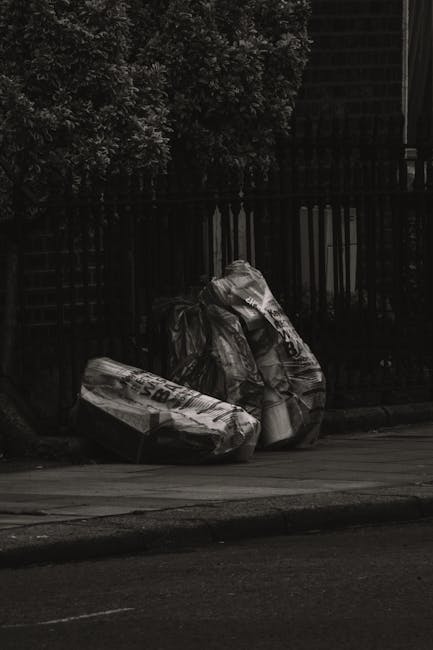
Hammersmith and Fulham council rubbish rules for West Kensington: a practical local guide
If you live, rent, run a business, or manage a property in West Kensington, the Hammersmith and Fulham council rubbish rules can feel simple right up until they are not. One day you are putting bags out on the pavement, the next you are wondering about bulky waste, garden cuttings, fly-tipping risk, or whether a cleared sofa needs a special disposal route. It is a very ordinary problem, honestly, but it can turn into a costly one if you get it wrong.
This guide explains the essentials in plain English: what the rules generally mean, how rubbish handling tends to work in the area, what mistakes people make, and how to stay tidy, compliant, and stress-free. You will also find a practical checklist, a comparison table, and a real-world example so you can make a sensible decision without having to guess your way through it.
Why Hammersmith and Fulham council rubbish rules for West Kensington Matters
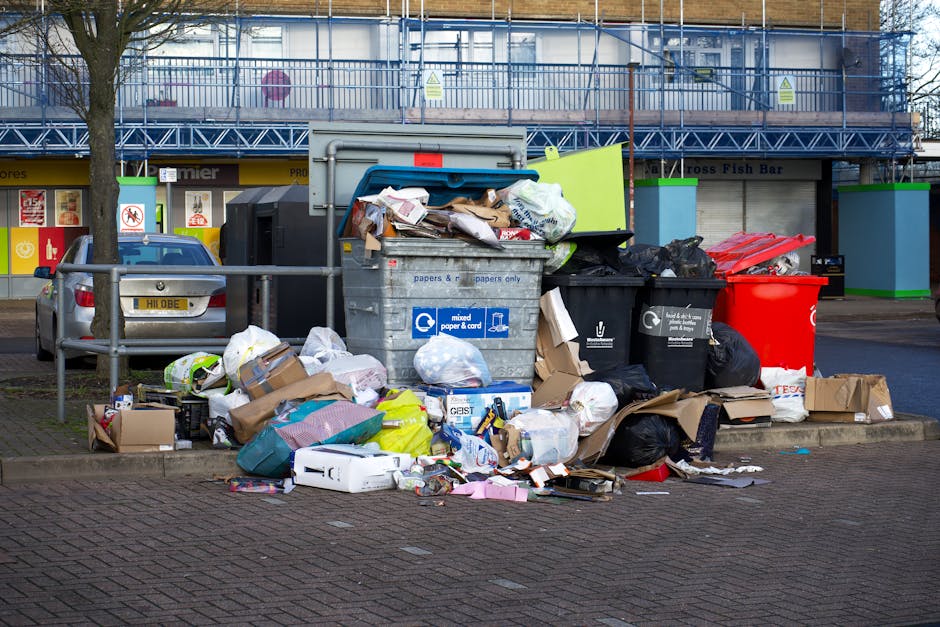
West Kensington sits right in the middle of a very busy part of London, so rubbish management is not just about keeping the street looking decent. It is about avoiding blocked pavements, pest issues, neighbour complaints, missed collections, and fines or enforcement action where rules are breached. In a dense area like this, one overflowing bin can quickly become everybody's problem. You will notice that sooner than you think, especially on a damp Monday morning when bags have been left out a little too early and the wind has done its usual London thing.
The rules matter because they shape the way waste is presented, stored, separated, and removed. That includes everyday household rubbish, recycling, bulky items, garden waste, and commercial waste from flats, shops, offices, or landlords. If you are clearing a property, moving out, or doing a one-off declutter, understanding the local expectations saves time and avoids awkward surprises.
There is another reason too: the better you follow the rules, the easier it becomes to choose the right removal method. That might mean a standard council collection, a private clearance service, or a specific service such as local rubbish collection in West Kensington or waste disposal support for larger loads. Put simply, the rules help you avoid paying for the wrong thing.
How Hammersmith and Fulham council rubbish rules for West Kensington Works
At a practical level, rubbish rules usually cover four things: what you can put out, how you should present it, when it should go out, and how different waste streams should be separated. The exact details can vary depending on the property type and the service being used, so the safest approach is to treat the local guidance as the starting point rather than a rough suggestion. That is the sensible view, anyway.
For many residents, the process is straightforward. Household waste goes in the correct container, recycling is separated where required, and bins or bags are presented in the approved way. For bulky items such as furniture, appliances, or a loft full of old boxes, you usually need a separate route rather than trying to squeeze everything into normal refuse. That is where services like furniture disposal or white goods and appliance disposal become useful.
If you are dealing with a garden clear-up, skip the kitchen bin entirely and think in terms of green waste. The same goes for office clearances, builders waste, or a house clearance after a move or bereavement. Different waste types often need different handling, and that is where a little planning saves a lot of faffing about.
One useful way to think about it is this: the council rules tell you how the area is meant to work; your removal method tells you how to deal with waste efficiently in the real world. When those two line up, life is easier.
Key Benefits and Practical Advantages
Following the correct rubbish rules is not just about compliance. It also makes day-to-day life calmer and less messy. That may sound obvious, but in practice people often underestimate how much smoother a clear waste plan makes everything from moving house to running a small business.
- Cleaner streets and shared spaces: bins are less likely to overflow, spill, or attract pests.
- Less risk of penalties or complaints: proper waste handling reduces the chance of problems with neighbours, landlords, or enforcement.
- Better recycling outcomes: separating waste properly means more of it can be reused or processed correctly.
- Less stress during clearances: if you know what belongs where, a clearance job feels far less chaotic.
- More efficient removals: the right disposal method reduces wasted trips and extra labour.
There is also a subtle but real benefit for landlords, property managers, and business owners: a tidy waste setup improves the impression your property gives to tenants, visitors, and customers. In a place like West Kensington, where people notice what is left outside, that matters. A lot.
If you are comparing removal options, it can help to review the wider service overview and check whether the work is best handled as a one-off clearance, regular collection, or a specialist disposal job. Sometimes the cheapest-looking option is not the best value at all.
Who This Is For and When It Makes Sense
This topic is relevant to more people than you might think. Of course, it applies to residents in West Kensington, but it also matters to landlords, letting agents, housing managers, office staff, tradespeople, and anyone clearing shared premises. A single flat move can create a surprising amount of waste. A small office move? Same story, just with more cables and old paperwork than anyone wants to admit.
It makes particular sense to pay attention when you are:
- moving in or out of a flat or house
- emptying a loft, shed, garage, or storage room
- disposing of furniture or white goods
- cleaning up after renovation work or decorating
- managing office waste or commercial rubbish
- dealing with garden waste after seasonal maintenance
- clearing a rental property between tenancies
For example, a homeowner might only need one-off support from house clearance services in West Kensington, while a local business might benefit more from commercial waste removal. A landlord, meanwhile, may need a fast response after an end-of-tenancy clear-out and could lean on loft clearance or general waste support depending on what is left behind.
Step-by-Step Guidance
If you are trying to follow the Hammersmith and Fulham council rubbish rules for West Kensington without getting caught in the weeds, a simple process is best. No need to make it a project.
- Identify the waste type. Separate general household rubbish, recycling, garden waste, bulky items, appliances, and trade waste. This sounds basic, but it is the step most people rush.
- Check what can go in normal bins or bags. Lightweight everyday rubbish may be fine for standard collection, but oversize or awkward items usually need a different route.
- Keep recyclables clean and separate where required. Dirty packaging and mixed waste can create avoidable issues.
- Decide whether the job is small or significant. A few bin bags are one thing; a full room clearance is another entirely.
- Choose the right removal method. For larger loads, specialist help from a local waste team may be quicker and less disruptive than trying to piece it together yourself.
- Present waste safely and neatly. Bags should be closed, items should not block shared access, and sharp or heavy items should be handled carefully.
- Keep a record if you are a business or landlord. It is good practice to know who removed the waste and where it went, especially for compliance purposes.
Here is a simple way to think about a standard West Kensington flat clearance: if it can fit in a bin and meets the local rules, fine. If it cannot, do not force it. Broken drawers, old mattresses, appliance waste, and renovation debris all tend to fall into the "needs proper handling" category.
Expert Tips for Better Results
After dealing with enough clearances, one pattern becomes obvious: the jobs that go smoothly are the ones where waste is sorted before removal day. Not beautifully sorted, just sensibly sorted. That small bit of effort makes a proper difference.
First tip: separate items by material and size before you start. Put cardboard together, bag general rubbish, and group reusable or bulky items on one side. It speeds everything up and reduces confusion on the day.
Second tip: if you are clearing a property, walk through each room with a simple question: what is staying, what is going, and what needs special handling? Sounds a bit obvious, but a quick walk-through catches the classic mistakes, like leaving chargers in a drawer or forgetting about the contents of a cupboard.
Third tip: use services that match the job. A garden clear-up is not the same as an office clearance. Likewise, a single sofa removal is not the same as a full flat emptied after a long tenancy. The right fit matters more than most people expect. If you need a more targeted service, it can help to look at options such as garden waste removal or office clearance.
Fourth tip: keep access in mind. In West Kensington, stairs, narrow corridors, shared entrances, and parked cars can all add friction. A little pre-planning around access saves time and avoids the sort of awkward shuffle where everyone is pretending the sofa was always going to fit. It probably was not.
Fifth tip: choose a provider that takes compliance seriously. That includes proper waste handling, safety procedures, and clear terms. If you want a sense of how a responsible service is structured, take a look at the site's waste carrier licence and compliance information and the insurance and safety page.

Common Mistakes to Avoid
People usually do not break rubbish rules because they are careless. More often, they underestimate how specific the rules are, or they leave everything until the last minute. That is when simple jobs get messy.
- Putting out waste too early: this can create street clutter and may attract the wrong kind of attention.
- Mixing waste types: recyclables, general rubbish, and special items are not always handled the same way.
- Leaving bulky items without checking the proper route: furniture and appliances often need separate disposal.
- Ignoring shared access rules: stairwells, entrances, and communal bin stores must stay clear.
- Assuming everything can go in a skip or bin bag: not all waste is suitable for standard collection.
- Using an unverified remover: if waste is fly-tipped after collection, the original holder can still end up with the headache.
One of the most common real-world issues is a moving day clearance where the occupant tries to dispose of everything in a rush. By late afternoon, the hallway looks like a small mountain range of boxes, old lamps, and one mystery item nobody remembers buying. That is exactly when a clearer plan would have helped.
Tools, Resources and Recommendations
You do not need fancy tools to manage rubbish properly, but a few basics make life easier. A marker pen, a handful of sturdy bags, labels for different rooms, and a couple of boxes for small reusable items are often enough to keep a clearance organised. If you are dealing with a larger property, a simple room-by-room list works wonders.
For more complex jobs, it helps to use services that are built around the type of waste you actually have. Some examples:
- builders waste disposal for renovation debris and construction offcuts
- furniture removal for bulky household items
- appliance disposal for fridges, cookers, washers, and similar items
- garden waste removal for hedge cuttings, soil, and green waste
- waste clearance for broader mixed-load jobs
If you are comparing pricing or trying to work out whether a job is worthwhile, the pricing and quotes page is a sensible place to start. For peace of mind on payments, it is also worth checking payment and security. Little things, but they matter when you are trusting someone with your property and your rubbish at the same time.
And if you want to understand the broader approach behind the business, the about us and recycling and sustainability pages are useful for context.
Law, Compliance, Standards, or Best Practice
Waste handling in the UK is not something to treat casually. Even where a task looks small, the basic principles still matter: waste should be stored safely, handed to a legitimate carrier, and managed in a way that avoids nuisance or environmental harm. That is the level of care you want, whether you are a resident or a business.
For householders, the key point is usually simple: follow the local collection rules, do not obstruct shared spaces, and use approved routes for bulky or awkward items. For landlords and businesses, the bar is a bit higher. You are expected to think about duty of care, record-keeping, and proper segregation where appropriate. That does not need to be complicated, but it does need to be done.
Good practice includes:
- using a licensed and insured waste carrier
- keeping waste transfer information where relevant
- separating recyclable and non-recyclable waste when practical
- preventing waste from causing hazards in communal areas
- checking that special items are handled correctly
If your property or business is generating recurring waste, a regular arrangement may be better than ad hoc disposal. That is especially true for offices, shops, and landlords managing multiple units. The point is not to be perfect. The point is to be responsible, consistent, and not leave things to chance.
Options, Methods, or Comparison Table
Different rubbish situations call for different solutions. A small pile of household waste is not the same as a full clear-out after renovation. Here is a simple comparison to help you choose the right approach.
| Option | Best for | Strengths | Limitations |
|---|---|---|---|
| Standard council-style disposal | Routine household rubbish and recycling | Simple, familiar, usually cost-effective for everyday waste | Not ideal for bulky, mixed, or urgent clearances |
| Private rubbish collection | One-off loads, mixed waste, larger clear-outs | Flexible timing, tailored capacity, less waiting around | Costs depend on load size and waste type |
| Specialist item removal | Furniture, appliances, garden waste, builders waste | Handled correctly for the item type, less hassle | May require separate booking if you have mixed waste |
| Full clearance service | House moves, office closures, void properties | Fast, organised, often the least stressful option | Usually more comprehensive than a simple collection |
If you are not sure which route fits best, ask yourself a plain question: am I dealing with normal bin waste, or am I trying to remove a space full of stuff? That one distinction answers a lot.
Case Study or Real-World Example
A typical West Kensington example goes like this. A tenant moves out on a Friday evening and leaves behind a mix of broken shelving, a mattress, bagged rubbish, cardboard, and a couple of small appliances. The landlord wants the flat ready for cleaners by Monday. On paper it sounds like a simple tidy-up. In real life, it is exactly the kind of job that can become a headache if you try to handle it item by item.
In that situation, the best approach is to identify the waste types first, separate what can be recycled, remove anything that needs special disposal, and book the right kind of clearance support. If the load includes furniture and appliances, services like waste disposal support, furniture removal, and appliance disposal can be combined in a way that keeps the property safe and on schedule.
The practical lesson is simple: the sooner you sort the waste by category, the less the job grows. By Monday morning, the flat is ready. The hallway is clear. The neighbours are happy. Nobody had to drag a broken wardrobe down three flights of stairs twice, which, to be fair, is a small miracle in itself.
Practical Checklist
Use this checklist before you put anything out or book a clearance:
- Have I identified the waste type correctly?
- Do any items need special handling, such as appliances or builders waste?
- Have I kept recycling separate where possible?
- Are bags closed and items safe to move?
- Will anything obstruct access, entrances, or shared spaces?
- Do I need a one-off clearance or a more regular service?
- Is the waste carrier licensed and insured?
- Have I checked pricing and the likely load size?
- Do I need help with furniture, garden waste, office items, or a full property clearance?
- Am I confident this will meet local rubbish rules and avoid nuisance?
If you can tick most of those off, you are in a good place. If not, stop and reset before the pile gets bigger. It happens, and it is fixable.
Get a free quote today and see how much you can save.
Conclusion
Hammersmith and Fulham council rubbish rules for West Kensington are not there to make life awkward. They exist to keep a busy, tightly packed area safe, tidy, and manageable for everyone who lives and works here. Once you understand the basics, the rest becomes much easier: sort waste properly, use the right disposal route, avoid blocking shared spaces, and choose a service that matches the job.
That is really the heart of it. Whether you are clearing a flat, emptying a loft, or dealing with garden or office waste, the right approach saves time, protects neighbours, and reduces stress. And if you are ever unsure, it is better to pause and check than to rush and regret it later. The calm route is usually the smart route.
West Kensington moves quickly, but good waste habits still make a visible difference. A clear pavement, a tidy bin store, and a properly handled clearance go a long way.