West Kensington station rubbish removal guide
Posted on 26/05/2026
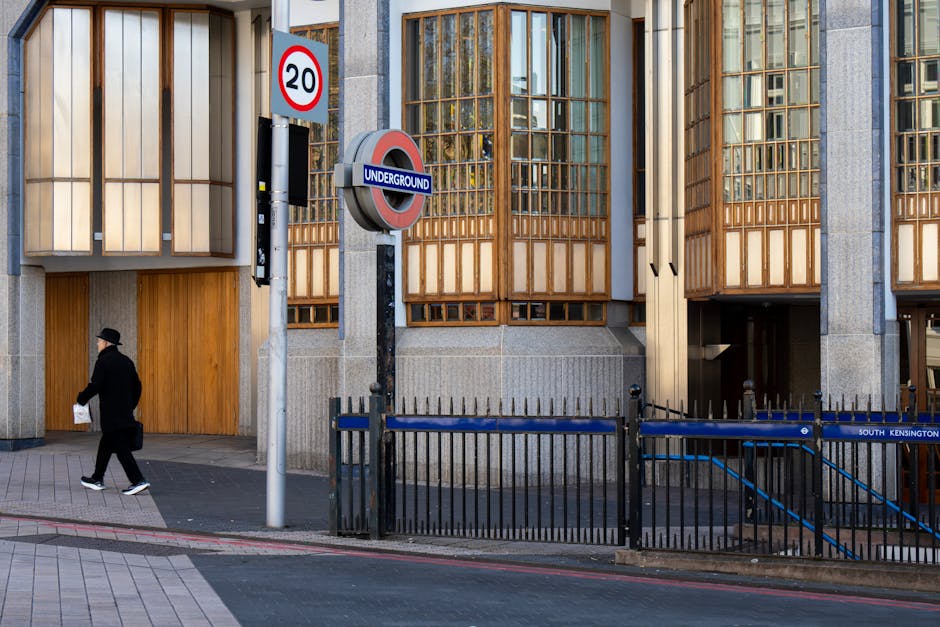
If you are dealing with unwanted rubbish near West Kensington station, you are probably after something simple: get it cleared without hassle, without damaging the property, and without turning a busy day into a small disaster. Fair enough. Whether it is a few heavy bags, old furniture, builders' rubble, office clutter, or a full flat clear-out, this West Kensington station rubbish removal guide walks you through what to expect and how to make the right choice.
The area around the station can be awkward for waste collection. Narrow streets, timed access, commuter traffic, shared entrances, and the usual London "where do we even park this?" problem can all make a straightforward job feel more complicated than it should. This guide explains the process in plain English, so you can decide whether you need a one-off rubbish collection in West Kensington, a more complete waste clearance service, or something more specific like furniture removal or builders' waste disposal.
To be fair, most people do not think about waste removal until the pile is already in the hallway. Then it becomes urgent. This article is designed to help you avoid that last-minute panic and choose a sensible, compliant, cost-aware route.
Why West Kensington station rubbish removal guide Matters
Rubbish removal around West Kensington station is not just about getting rid of stuff. It is about timing, access, safety, and doing things properly in a part of London where space is limited and neighbours are often very close by. A pile of waste left too long can block access, create trip hazards, attract complaints, and in some cases breach lease or landlord rules. Not ideal.
It matters even more if the waste is bulky or mixed. A broken wardrobe, an old mattress, bags of renovation debris, or office furniture cannot always be handled the same way as general household waste. Different materials need different disposal routes. That is why a good plan matters before anyone starts lifting.
There is also the local reality. West Kensington sits in a busy pocket of West London, where a quick disposal job can become tricky if a vehicle cannot stop for long or if items need to be carried down stairs and through shared areas. If you have ever tried to move a sofa down a narrow stairwell while someone else is trying to leave the building at 8:15 a.m., you will know exactly what I mean.
In practical terms, a solid guide helps you:
- choose the right type of removal service
- avoid paying for more capacity than you need
- reduce the chance of damage to walls, floors, and lifts
- stay on the right side of waste handling rules
- save time compared with DIY trips to a tip or multiple collections
If you need broader support across different waste streams, the services overview is a useful place to understand how the different clearance options fit together.
How West Kensington station rubbish removal guide Works
The basic process is straightforward, even if the details vary. Most rubbish removal near the station follows a simple pattern: assess the load, agree the collection method, prepare access, remove the waste, then transport it for sorting, reuse, recycling, or disposal. Simple on paper. Slightly less simple when the lift is tiny and the corner sofa is not cooperating.
Typically, the job starts with a description of what needs removing. Photos help a lot. A good quote will usually depend on volume, weight, type of waste, access, and labour required. A single bulky item from a ground-floor flat is very different from a top-floor clearance involving mixed waste and awkward parking.
For domestic jobs, the team may remove items from one room or several. For larger clearances, they may need to sort waste on site or separate reusable materials from general rubbish. For business premises, the process may involve tighter scheduling, more attention to confidentiality, and careful handling of office equipment. If that sounds like your situation, office clearance in West Kensington or commercial waste removal may be the better fit.
Most reputable operators will also explain what cannot be taken, what needs special handling, and whether they can manage appliances, mattresses, builders' rubble, or green waste. For example, if you have a fridge, washer, or microwave to remove, you may need white goods and appliance disposal rather than a standard mixed-load collection.
Practical takeaway: the more accurately you describe the waste up front, the smoother the collection tends to be. Good photos, honest access details, and a short list of item types can save everyone time.
Key Benefits and Practical Advantages
The obvious benefit is obvious: less rubbish. But the real value is usually bigger than that.
1. Speed and convenience. You do not have to hire a van, queue at a disposal site, or make several trips. That matters when you are already juggling work, moving home, or dealing with a renovation deadline.
2. Safer handling. Heavy lifting is where a lot of avoidable problems begin. Trapped fingers, scratched floors, chipped door frames, and back strain are all common when people try to move bulky waste without enough help. A trained team with the right equipment reduces that risk.
3. Better fit for local access constraints. Around station areas, timing and access can be awkward. A planned collection can be more practical than trying to push a full DIY load through public transport or a car park dash.
4. More responsible disposal. Reputable services sort waste with recycling in mind where possible. If you care about lower environmental impact, it is worth checking the provider's approach to reuse and recycling. The site's recycling and sustainability page is helpful for understanding that mindset.
5. Less disruption to neighbours and building management. Good planning keeps corridors clear, reduces noise, and helps avoid those awkward conversations with the concierge. Nobody enjoys those.
If you are comparing practical support options, a general waste disposal service may suit mixed loads, while a more targeted service such as house clearance is better for larger domestic projects.
Who This Is For and When It Makes Sense
This kind of rubbish removal is useful for a surprisingly wide range of people. You do not need to be doing a huge clear-out for it to make sense.
- Tenants clearing a flat before moving out
- Landlords dealing with leftover furniture or tenant waste
- Homeowners after a declutter, sale, or renovation
- Tradespeople with builder's rubble, packaging, or mixed site waste
- Office managers replacing desks, chairs, or filing cabinets
- Small businesses that need one-off commercial waste removal
- Anyone with limited access who would rather not haul items themselves
There are some situations where a tailored service is worth considering. A loft full of old boxes and broken storage furniture may be better handled through loft clearance. A garden job with soil, branches, and hedge trimmings fits better with garden waste removal. And if you are renovating, builders' waste disposal is usually the right choice.
Truth be told, people often delay calling for help because they think the job is too small. But small jobs can be awkward too, especially if the item is heavy, dirty, or impossible to break down safely. One old wardrobe can ruin your whole Saturday. That is just life, really.
Step-by-Step Guidance
If you want the process to go smoothly, a little preparation goes a long way. Here is a sensible way to approach it.
- List everything that needs removing. Separate furniture, bags, appliances, green waste, and building debris if you can.
- Take clear photos. A few angles are better than one close-up. Include awkward access points if possible.
- Check where the waste is located. Is it in a flat, basement, loft, office, shop, or rear yard? Access changes the job a lot.
- Ask about item types. Some loads need special handling. Fridges, paint, plasterboard, and certain electrical items can all affect the quote or collection method.
- Confirm timing. If you need the collection before a move, check-out deadline, or contractors' arrival, build in a margin. A delayed collection is a headache you do not need.
- Prepare the area. Move small loose items, clear hallways if you can, and make sure the route is accessible.
- Agree payment and paperwork. Read the terms, ask about payment methods, and keep any confirmation messages. Simple stuff, but useful.
- Walk through the load at pickup. This helps avoid misunderstandings and gives you a chance to flag anything that should stay.
If you are unsure what category your waste falls into, start with a general waste clearance enquiry and ask the team to advise from there. A decent provider will not mind a few clarifying questions.
Expert Tips for Better Results
Small decisions can make a big difference here. The job gets easier when you think ahead a bit.
Be honest about the load. Underestimating waste volume is one of the fastest ways to create friction. If you think it is two cubic yards, and it is really closer to four, the day can go sideways. Not catastrophically, just annoyingly.
Separate reusable items early. If a table, chair, or cabinet still has life left in it, set it aside before collection. Some customers keep one stack for recycling or donation and another for removal. That approach supports better resource use and can reduce what ends up as general waste.
Protect shared surfaces. In older properties around West Kensington, hallways and stairwells can be tight, and one sharp corner can leave a mark. A bit of cardboard, blanket protection, or careful lifting is worth it.
Think about timing around the station. If the area is busier during the school run, rush hour, or delivery peaks, a slightly earlier or later slot may make the handover smoother. It is a small thing, but it often helps.
Ask who is doing the lifting. Some services only collect items from the kerbside. Others will remove waste from inside the property. That distinction matters more than people realise.
Keep specialist waste separate. Electronics, appliances, garden cuttings, and construction waste often need different handling. Mixing everything together can make recycling harder and may increase cost.
And yes, it is completely reasonable to ask whether a provider is properly licensed and insured. In fact, you should. You can check the site's waste carrier licence and compliance information and also review the insurance and safety page before booking.
Common Mistakes to Avoid
A lot of waste removal problems are avoidable. The same few mistakes come up again and again.
- Leaving everything until the last minute. That is how people end up paying more for urgency or scrambling to move items in bad light after dark.
- Guessing the volume. A vague "it is probably not much" can cause underquoting and delays.
- Mixing prohibited or specialist waste into general rubbish. Some items need separate handling. Do not assume everything can go in one pile.
- Ignoring access constraints. A collection team needs to know about stairs, narrow paths, permits, locked gates, and parking limitations.
- Choosing on price alone. The cheapest quote is not always the best value if it excludes lifting, disposal, or proper documentation.
- Forgetting tenant, landlord, or building rules. Some buildings have strict clearance times or require advance notice.
A slightly annoying truth: people often spend more correcting a rushed waste job than they would have spent doing it properly first time. I know, not the most glamorous lesson, but there it is.
Tools, Resources and Recommendations
You do not need a warehouse of equipment to prepare for rubbish removal. A few practical tools can make the job much easier.
- Basic bags and boxes: for sorting loose items before collection
- Label tape or marker pen: useful for marking keep/recycle/remove piles
- Gloves: especially if the waste includes sharp packaging, broken wood, or dusty loft items
- Measuring tape: handy for bulky furniture and awkward hallways
- Phone camera: your best tool for obtaining an accurate quote
- Access notes: door codes, parking restrictions, and contact names
For a more specific next step, consider the type of waste you have. If it is mainly household clutter, start with house clearance support. If it is old seating, cabinets, or broken tables, furniture disposal is probably the better fit. If you are clearing a shop, studio, or shared worksite, look at commercial waste removal.
You may also find it useful to browse the blog for related guidance and the pricing and quotes page if you are trying to understand how jobs are typically assessed. If a promotion is running, the promotions page can be worth a look too. Nice little bonus if timing works out.
Law, Compliance, Standards and Best Practice
Waste removal is one of those everyday services that becomes a legal and environmental issue very quickly if it is handled badly. In the UK, you should only use a waste carrier that is appropriately licensed and able to describe where your waste goes. As a customer, it is sensible to ask for reassurance on that point and keep a record of who collected the items.
Best practice usually includes:
- using a licensed waste carrier
- sorting recyclable materials where practical
- keeping hazardous or specialist items separate
- providing accurate descriptions of the waste
- respecting site rules, access permissions, and building management requirements
If a provider can explain their handling process clearly, that is a good sign. Clear answers matter. Vague answers, not so much. You want to know whether the waste will be reused, recycled, or disposed of appropriately, and whether any items need special treatment because of safety or legal considerations.
For businesses, compliance matters even more. Office clearances can include confidential paperwork, electrical equipment, and furniture that needs proper disposal or recycling routes. If that is your situation, the West Kensington office clearance page and the office clearance service can help you understand the right approach.
Also, if you are comparing providers, read the small print. The terms and conditions, payment and security, and privacy policy pages are boring in the best possible way. They tell you what to expect.
Options, Methods and Comparison Table
There is more than one way to remove rubbish near West Kensington station. The best option depends on the amount of waste, the type of items, and how much lifting or sorting is involved.
| Method | Best for | Strengths | Limitations |
|---|---|---|---|
| Man and van rubbish removal | Small to medium mixed loads | Flexible, quick, often ideal for awkward access | May cost more than self-haul for very light loads |
| Skips | Longer projects with predictable volume | Useful for staged clearances and renovation waste | Needs space, permits may apply, access can be tricky near stations |
| Self-haul | Very small loads or people with transport and time | Direct control over timing | Labour-heavy, time-consuming, not great for bulky items |
| Specialist clearance service | House, office, loft, builders, or appliances | Tailored handling, better for complex jobs | Needs accurate job details up front |
For many people around the station, a removal team that handles lifting and loading is the sweet spot. It keeps the job contained, and honestly, it saves a lot of physical effort. If your waste is mostly green material, a dedicated garden waste removal service is usually better than a generic load. Same principle for office furniture, white goods, or loft clutter.
Case Study or Real-World Example
Here is a realistic example, based on the kind of job people commonly need near West Kensington station.
A resident in a third-floor flat had a mix of old furniture, boxed-up clutter from a spare room, and a broken washing machine that had been sitting in the corner for weeks. The access was narrow, there was no lift, and parking outside was limited. A DIY approach would have meant multiple trips, awkward lifting, and likely a damaged stairwell. Not worth the stress.
Instead, the waste was photographed in advance, the item types were listed clearly, and the clearance was booked for a quieter time of day. The team removed the furniture first, then handled the appliance separately, with the correct disposal route for that item type. The flat was left ready for decorating, and the resident did not spend the afternoon trying to fit a bulky frame into the back of a hatchback at an angle that looked frankly impossible.
The main lesson was simple: good information made the job faster and cleaner. The resident knew what was being removed, the provider knew what equipment and time were needed, and the shared hallway was protected. No drama. Well, almost no drama.
That kind of result is exactly why a structured guide matters. It helps you think like a planner, not a firefighter.
Practical Checklist
Use this checklist before you book or collect rubbish near West Kensington station.
- List every item you want removed
- Separate furniture, appliances, green waste, and builders' rubble
- Take clear photos of the waste and access points
- Check whether the items are heavy, sharp, or fragile
- Confirm stairs, lifts, door codes, and parking restrictions
- Ask whether the provider is licensed and insured
- Clarify what is included in the quote
- Set aside anything you want to keep or donate
- Arrange a collection time that fits building access and neighbours
- Keep a record of the booking and any payment confirmation
Quick tip: if you are unsure whether the job is domestic, commercial, or mixed, ask before booking. A short clarification now can prevent a messy surprise later.
Conclusion
A well-planned rubbish removal near West Kensington station should feel calm, not complicated. Once you understand what type of waste you have, how access works, and what level of service you need, the whole process becomes much easier to manage.
The key is not to overthink it, but also not to guess. A few photos, a clear item list, and a quick check on compliance can save time, money, and a lot of hassle. Whether you are clearing one bulky item or dealing with a bigger household, office, or renovation load, the right service should fit your space and your schedule.
If you want a service path that is practical, local, and built around your actual waste rather than a one-size-fits-all approach, start with the relevant service page and work from there. Small step, big difference.
Get a free quote today and see how much you can save.
And if you are still deciding, that is fine too. A good waste plan usually starts with one sensible question, then the rest falls into place.